
Planet
We strive to constantly mitigate our environmental impact by reducing emissions in own operations and value chain, focusing on circular economy and supporting biodiversity with regenerative farming.
Our targets to 2030

Our own operations are fossil-emissions-free by 2030 and our Koskenkorva Distillery is fossil-emissions-free by 2026 – both without compensations.

We support regenerative farming and will increase the share of regeneratively farmed barley in our grain spirit-based products to 30 percent by 2030.

We enhance circular economy by reducing wastewater with 20%, increasing recycling rate of waste to 90% and reducing landfill waste to zero by 2030.
Anora has separate SBTi-validated science-based emission reduction targets, including near-term, net-zero and FLAG targets. Read more about our SBTi targets in our press release.
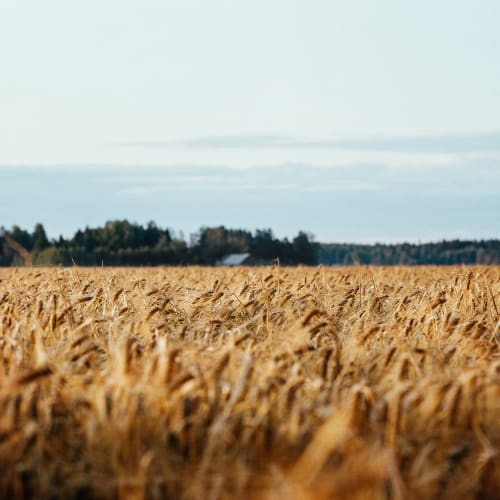
Regenerative agriculture is a holistic approach to farming that works to benefit both the environment and the farmer. Utilising a selection of farming methods regenerative farming strives to improve yields, enhance soil health, support biodiversity and reduce the CO2 emissions from farming.
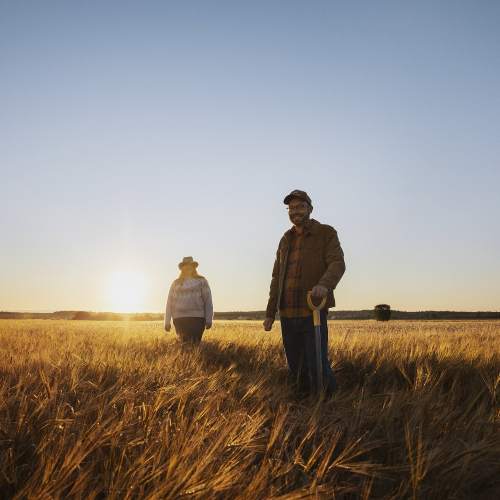
Anora aims to increase the use of regeneratively farmed barley in spirit production. Veli-Pekka and Noora Aila are Anora’s contract farmers who have transitioned to using regenerative farming practices.

The Koskenkorva distillery operates based on the principles of the bio and circular economy: 100% of the grain is utilised. This brought Anora the Green Company of the Year award in 2018.

Protecting the more than 1,000-hectare area at Rajamäki owned by Anora and the groundwater beneath it, plays an important role in ensuring the high quality of Anora's products.